











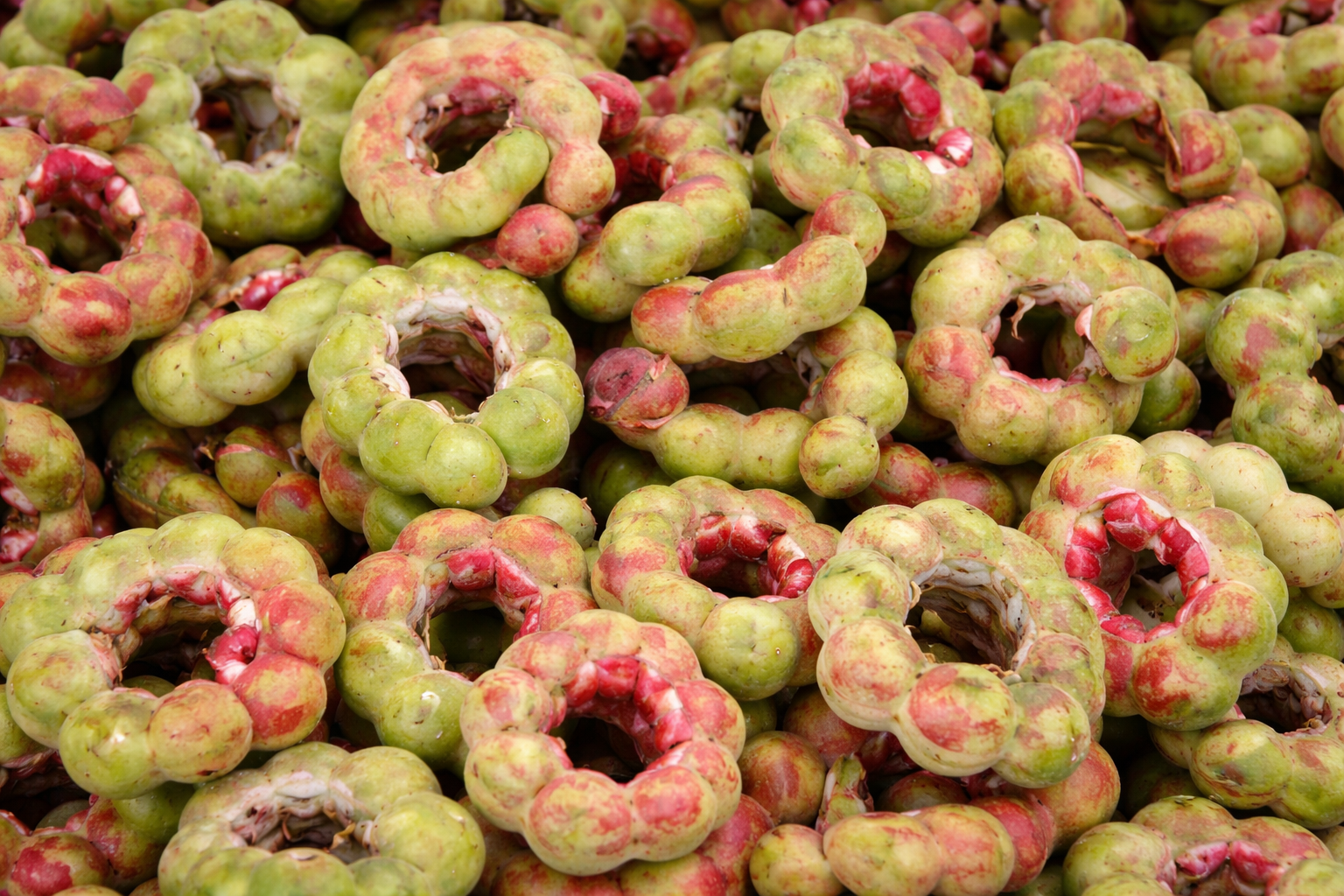
MEDICINAL USES OF PITHECELLOBIUM DULCE AND ITS HEALTH BENEFITS
ABSTRACT:
Pithecellobium dulce has been utilized by antiquated individuals in treating various sorts of ailments due to its restorative properties. The bark and pulp being astringent and haemostatic are used to treat gum ailments, toothache and bleeding. Bark extracts are used for chronic diarrhea, dysentery, constipation and tuberculosis. Extract of leaves is employed as a remedy for indigestion and to prevent spontaneous abortion and for gall bladder ailments and to treat both open and closed wounds. Ground seed is used for treating ulcers. Studies also shows that it might help in curing diabetes, inflammation, cancer, tuberculosis, veneral diseases, bilious disorders, fever, cold, sore throat, malaria, skin pigmentation, acne and pimples, dark spots, conjunctivitis, irritable bowel syndrome, pain, eczema, panophthalmitis, leprosy. Studies have evaluated its antioxidant, anti hyperlipidemic, anti-septic, anti-bacterial properties.
Keywords: Pithecellobium dulce, treatment for constipation, fever, sore throat, anti-bacterial, abortificient
1. INTRODUCTION:
It originated from Mexico, then went to America, Central Asia and then to India. Although, these trees have been seen all along the highways in India, no one knew about its culinary use. It resembles tamarind and is widely called as Manila Tamarind. It is an acrid eatable organic fruit for the most part utilize for cooking, contains high wholesome esteem and various medical advantages for body. Besides being a viable normal cure, it is more moderate contrasted with high cost medicines in clinics and restorative centers. Studies have concluded that hydro alcoholic fruit extract of Pithecellobium dulce (HAEPD) [1] can be used safely for experimental and clinical trials. This study was carried out to evaluate acute and sub acute toxicity profile of HAEPD in 2010. According to the studies performed in 2012, scientists have validated the anti microbial potential of traditionally important plant, Pithecellobium dulce [2]. The bark and pulp of Manila Tamarind is used as a traditional remedy against gum ailments, toothache, and hemorrhage. Bark extract is also used against dysentery, diarrhea, and constipation. An extract of leaves is used for gall bladder ailments and to prevent miscarriage. Seeds when grounds are used to cleanse ulcers. Numerous studies have been performed on anti-oxidant, anti- inflammatory, anti- diabetic, anti-cancer properties of Manila tamarind. It provides relief from pain, eczema, fever, cold, sore throat, pigmentation, acne and pimples.
Read entire article: Me & My Earth