
Wildfires: A Growing Challenge for Sustainable Development
By Himangshu Dutta, PhD, Scientific Officer, YesEarth, Guwahati, India
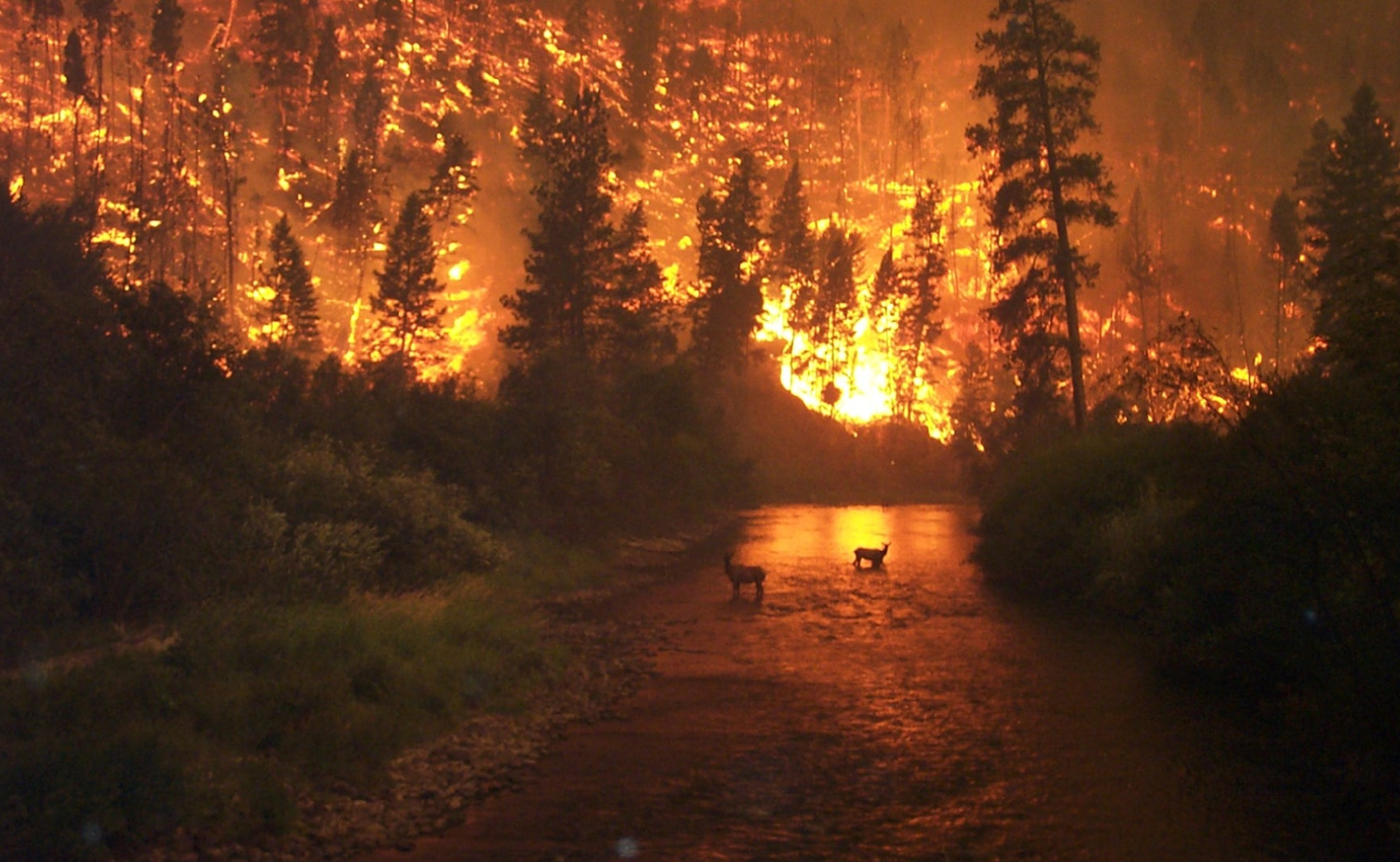
Wildfires are uncontained and frequently rapidly spreading fires that occur in wooded regions, grassy areas, and other landscapes rich in vegetation. These are caused by both natural and anthropogenic activities. As per the Food and Agricultural Organization, 90% of wildfires worldwide are triggered by humans because of reasons such as poor practice, restricted availability of alternative methods for producing fire, limited grasp of the dangers posed by fire, negligent behaviour, lack of carefulness, machinery, and accidents. However, it also adds that while human activities frequently set off wildfires, the severity and impact of these fires predominantly stem from the state and presence of combustible materials, the arrangement of plant life, as well as the weather and geographical factors.
The World Health Organization has rightly highlighted that wildfires release air pollutants (like particulate matter, NO2, ozone, aromatic hydrocarbons, and even lead) and greenhouse gases into the atmosphere as well as disrupt essential services (transportation, communication, water supply, and power/gas provisions). The Organization has also discussed how higher temperatures and drier climates arising from climate change, along with increased rates of urbanization have resulted in the extension of the length of the wildfire season. Wildfire incidents are becoming increasingly severe in terms of the expanse of land burned, the duration of the events, and the intensity of the flames. In this context, a research paper published in the Journal of Asia-Pacific Biodiversity in 2018 vividly describes the pathways through which ecological issues triggered by climate change such as habitat loss and species invasion contribute to the problem. As stated in the paper, these issues are interlinked and thus, increase forest fires through their primary or secondary effects. Consequently, as climate change intensifies, it also indirectly increases forest fires by enhancing the issues, which themselves exert their negative environmental impacts.
The following information retrieved from the report entitled ‘Forests Ablaze: Causes and Effects of Global Forest Fires’ by WWF of the year 2017 provides ample evidence of the enormity of the problem:
a) Over the past few decades, the average annual area affected by fires in the Mediterranean region has quadrupled compared to the 1960s. This rise is primarily attributed to factors like recklessness or deliberate arson, aggravated by intense heat and prolonged drought during the summer months. The situation is exacerbated by the deterioration of forests, which enables even minor fires to quickly escalate and spread.
b) Forest fires have been a natural and cyclical occurrence in North American ecosystems, particularly in the forests of the western USA and Canada’s boreal forests. These areas have historically relied on periodic fires for the renewal of their ecosystems. However, the past century has witnessed a remarkable increase in the intensity of fires, posing threats to both human populations and wildlife in various parts of the western USA.
c) The usually humid climate of Western Tasmania’s rainforests typically inhibits the spread of fires. However, in 2016, significant fires posed a threat to this unique ecosystem. As climate change progresses, Southern Australia is anticipated to experience more frequent hot and dry days, intensifying the risk of fires in the region.
d) The Amazon basin is home to the Earth’s largest remaining expanse of rainforest. Forest fires in this area are deliberately started to convert forested areas into soy fields or grazing land for cattle. There is growing concern that surpassing a certain threshold of deforestation could trigger a breakdown in the regional climate system. This might result in extended periods of drought, further exacerbating the degradation of the rainforest and leading to more frequent fires. The Amazon rainforest, which currently absorbs carbon dioxide, could transition from a net carbon sink to a carbon source.
The International Tropical Timber Organization (ITTO) mentions Integrated Forest Fire Management (IFFM), a comprehensive strategy for systematically handling forest fires. It includes conventional actions like preventing and extinguishing fires, alongside controlled burning, engaging local communities, and enforcing forest regulations. The foundation of IFFM is found in the ITTO Guidelines on Fire Management in Tropical Forests. These guidelines present a methodical approach for countries with tropical forests to assess their fire management status and establish effective plans to address it.
The U.S. Department of the Interior has provided essential guidelines to prevent wildfires, which include, monitoring weather and drought conditions, constructing campfires safely, ensuring campfires are cold, avoiding driving or parking vehicles on dry grass or vegetation, regularly maintaining vehicles and equipment, practicing vehicle safety, maintaining trailer components, keeping sparks away from dry vegetation, being cautious with fireworks and burning debris safely. By following these recommendations, individuals can actively contribute to wildfire prevention and protect our natural resources. While wildfires play a natural role in ecosystems, responsible actions can help mitigate their destructive impact and ensure the safety of lives and properties.